
The Canton Fair: what to know before importing a machine from China
The Canton Fair is the largest showcase of Chinese industry. What it is, which phase matters if you are looking for machinery, and why a good booth is no substitute for assessing a supplier.
By Equipo Telotraemos
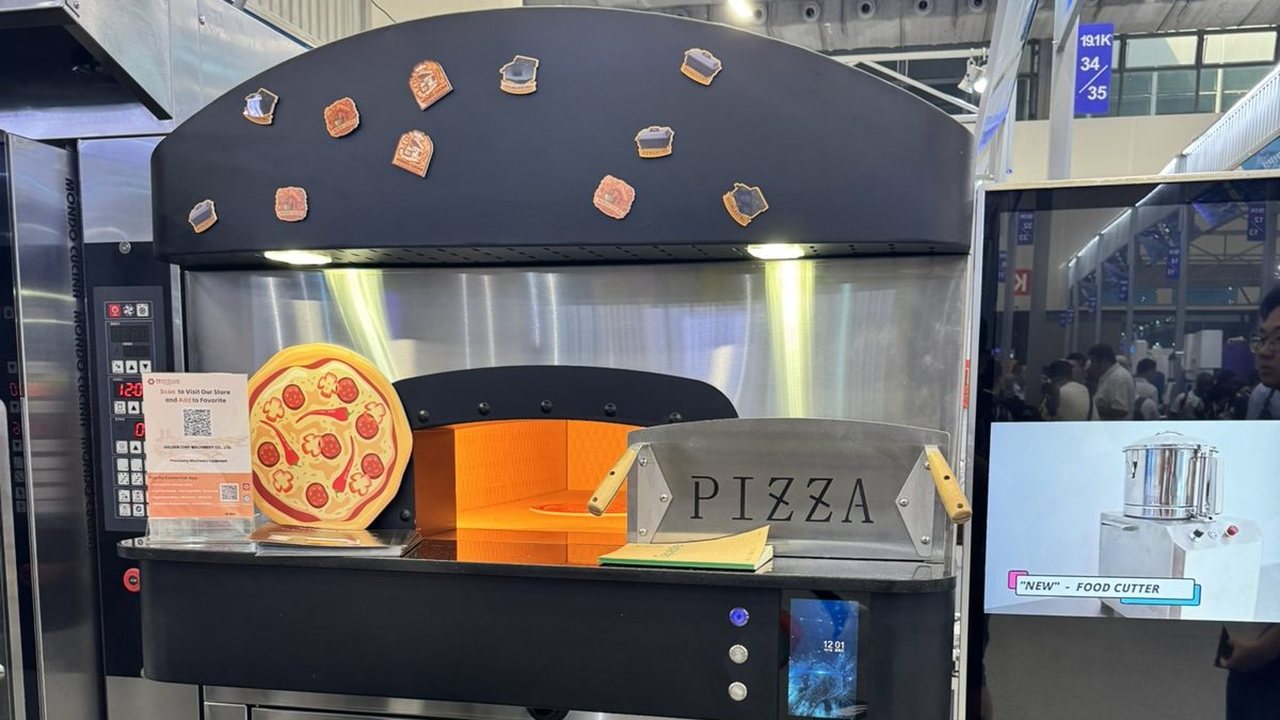
We have walked the Canton Fair looking for machinery. It is China's largest trade fair and, for many companies, the first place where they see the machine they later want to import actually running. It is also a place where it is easy to mistake a good display for a reliable supplier.
What the Canton Fair is
Its official name is the China Import and Export Fair. It is held in Guangzhou twice a year, in spring and autumn, and each session is split into three five-day phases. The autumn 2026 session brings together more than 30,000 companies across 1.55 million square metres of exhibition space.
| Phase | Dates (autumn 2026) | What is on show |
|---|---|---|
| 1 | 15–19 October | Machinery, tools, power, automation, household appliances |
| 2 | 23–27 October | Home, kitchenware and tableware, building materials, furniture |
| 3 | 31 October – 4 November | Textiles, footwear, toys, food, health |
If you are looking for machinery, Phase 1 is the one that matters. That is where you find processing machinery, generators and engines, agricultural and construction machinery, and automation lines. In that phase we have seen ovens, vacuum packers and generators from dozens of manufacturers, side by side.
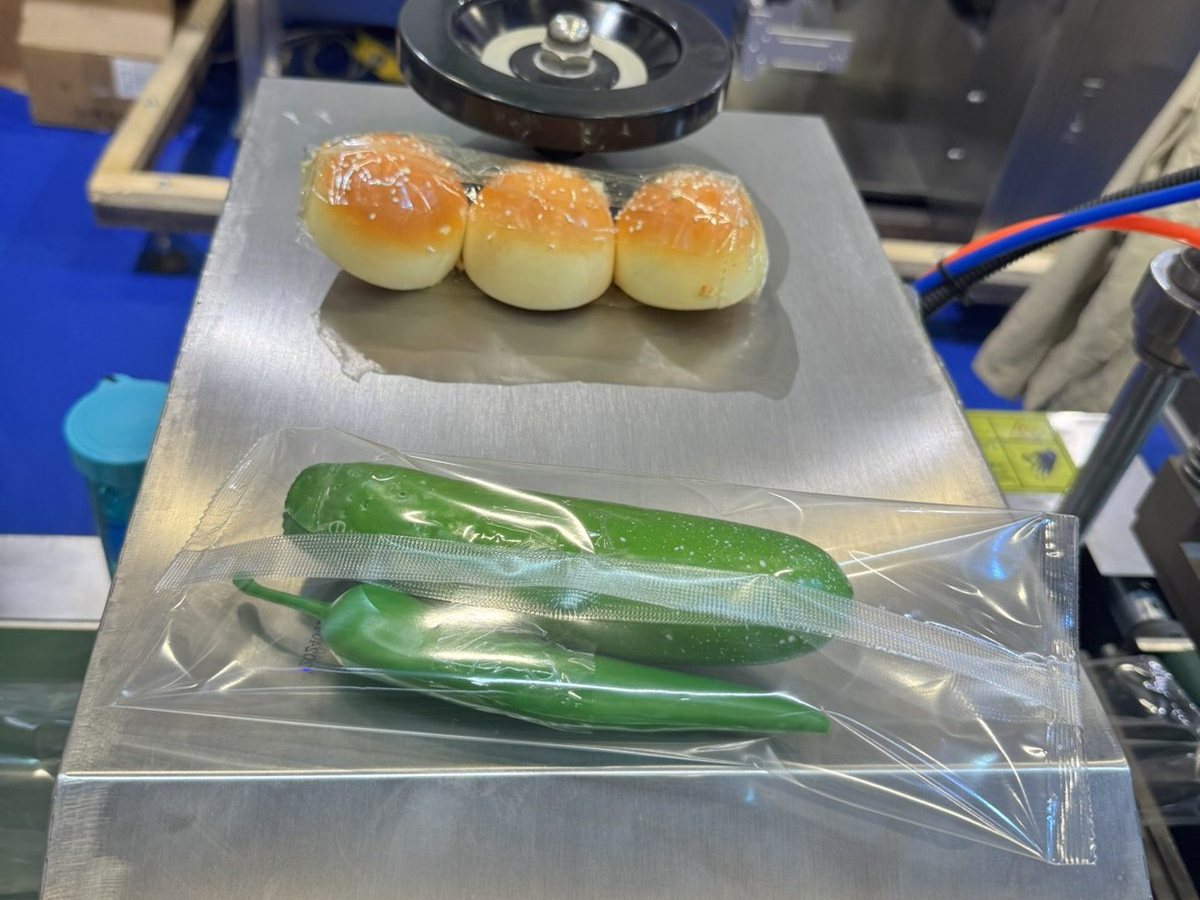
Vacuum packing machine being demonstrated in the machinery hall of the Canton Fair.
What the fair does give you
- Seeing the machine running, not in a photo.
- Comparing many manufacturers of the same product in a single day.
- Talking to technical staff and clearing up questions on the spot.
What the fair won't tell you
Not every booth is a factory. Trading companies that resell what someone else makes exhibit alongside manufacturers. That is not bad in itself, but it changes the price, the lead times and who you complain to if something fails.
The display machine is not the one that gets shipped. The one at the booth is prepared to look its best. The one that arrives in Chile comes off a production line, and components, finishes and controls can differ between the two.
The fair price is not the final cost. It is a reference price, almost always without transport to the port, freight, insurance, duties or VAT. We explain everything that adds up in How much does it really cost to import a machine from China?
The electrical version matters. Many machines are displayed in their version for other markets. You need to confirm that the one being quoted matches the Chilean grid (220 V single-phase or 380 V three-phase, 50 Hz).
A business card is not an assessment. After the fair comes the important part: verifying that the company exists, that it makes what it says it makes and that it delivers. We cover it in How to validate a supplier in China.
Do you need to travel to buy there?
Not necessarily. Travelling means flights, hotels at the height of fair season, translation and several days away from the business, and even then everything above is still pending. The fair is a starting point; the decision is made afterwards, with the factory assessed.
How we work
We walk trade fairs to get to know manufacturers, and our supplier network grows with every project. When a company asks us for a quote, we find and compare suppliers and give them the real final cost. When the project requires it, our team in China visits the factory. That work is covered by an activation fee, which is deducted from the final price if the purchase goes ahead. The import is made in our name and we invoice the agreed price in Chile.