
How to validate a supplier in China before you pay
Eight checks we apply to every import, from the moment a client shows us the equipment they need until the machine is loaded onto the ship.
By Equipo Telotraemos
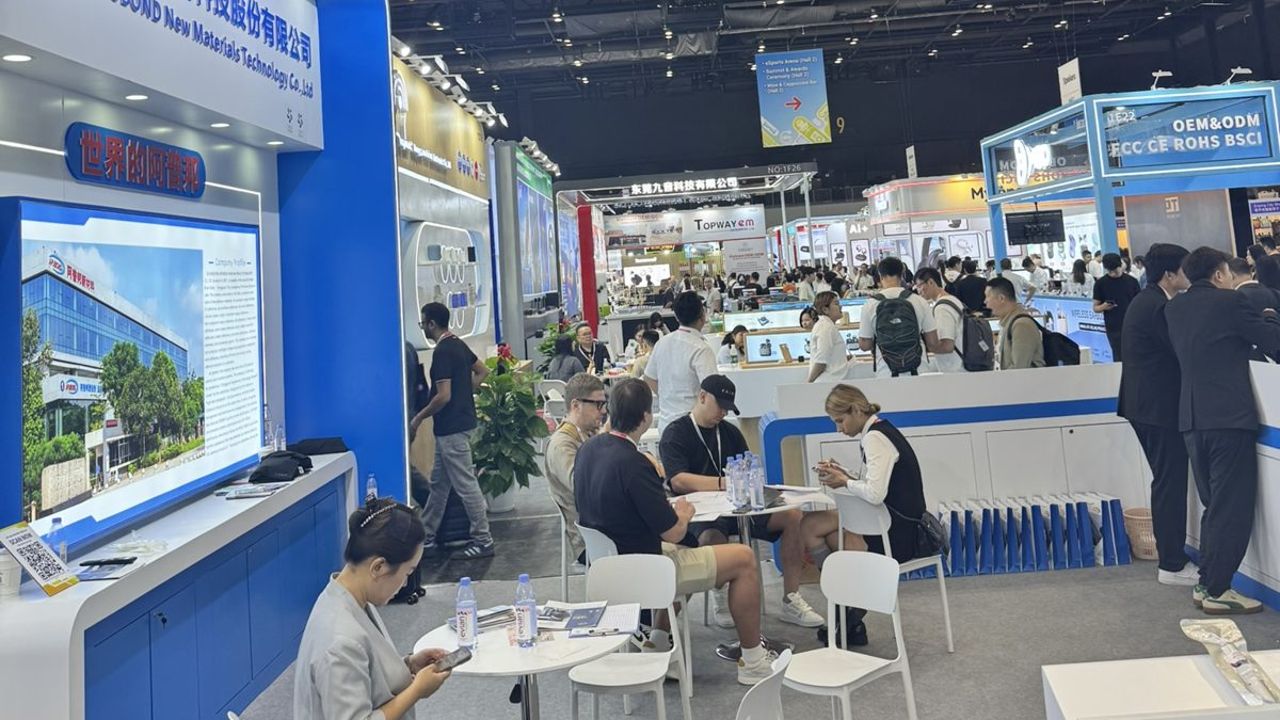
Most industrial machines sold in Chile under a local brand come out of a Chinese factory that also supplies two or three other distributors. The name is put on by the distributor. It isn't illegal and it isn't a scam: it is how the trade works. But it completely changes what needs to be checked before buying.
That is why our work doesn't start with a quote. It starts by finding out what is really being bought. These are the eight checks we run on every operation, in the order we run them.
Before quoting: finding the right factory
1. We trace the factory the equipment comes from
Many clients come to us with a machine they saw at a Chilean distributor. The first thing we do is find out who really makes it.
The model code is almost never useful: if it doesn't appear on Alibaba or Made-in-China, it is a name the distributor gave to a catalogue machine. So we search by specifications, not by name. We have found the original data sheet and seen all thirteen parameters match one by one, including the weight converted to pounds with the same rounding.
That way the client knows exactly what they are buying and what it costs at origin. They also know the local markup buys them nothing in return: those distributors hold no stock, they import to order just like we do.
2. We verify it is a factory and not a middleman
On Alibaba almost everyone calls themselves a manufacturer. We check. The first sign is the catalogue: a factory that makes machines for engine cylinder heads doesn't also sell toys and shade netting. If the catalogue doesn't add up, it's a middleman.
A middleman isn't necessarily bad; sometimes they get a better price. But spare parts ten years from now and the parts breakdown come from the factory, and that is who we want our client connected to.
3. We ask for at least three quotes, from the same period
Without a second quote there is no negotiation, only acceptance. That is why we always quote with at least three factories.
And we request them in parallel, not one from today against another from six months ago: steel and freight move, and comparing prices from different seasons leads to the wrong choice.
Before the deposit: comparing the real cost and closing the terms
4. We compare every offer at the same port
This is the most expensive mistake and the easiest one to make.
In one operation we received two quotes for the same machine: one shipped from Shanghai and the other from Ningbo. The Shanghai one looked better, but 200 kilometres of trucking ate up the whole difference.
So we bring every offer to FOB at the same port before comparing them. EXW quotes are even more misleading: "at the factory gate" can mean a city 1,200 kilometres from the sea, and that inland freight shows up later.
5. We calculate freight with the dimensions of the crate, not the machine
Sea freight is charged per cubic metre, not per kilo. A heavy, compact machine travels cheaply; a light, bulky one ruins the costing. And packing adds 10% to 20% to the machine's volume. That is why we always ask for the dimensions of the packed equipment.
With that we apply a quick rule: we divide the FOB price by the cubic metres of the crate. Below US$1,350 per m³, freight eats more than 20% of the value of the goods, and very few businesses can absorb that. If a purchase doesn't make sense, we tell the client before moving forward.
6. We require the certificate of origin in writing
Chile has a free trade agreement with China and the tariff is 0%. But only if the supplier issues the certificate of origin. Without that document you pay 6% on the CIF value, and by then the deposit has already been transferred.
That is why the certificate is committed in writing, together with the price and lead time, before the client pays a single peso.
Before shipment and the balance: verifying at the factory
7. We check the motor plate before shipping
This is the problem that costs the most and that almost nobody checks.
Many Chinese motors are dual-voltage: 220 or 380 V. You can recognise them because the plate shows two voltages and two currents, and the ratio between them is 1.73 (the square root of 3). That motor is wired differently depending on the voltage: delta for 220, star for 380. If it arrives wired for 220 and is plugged into 380, it burns out in minutes. It isn't a factory defect and there is no claim possible: the information was on the plate.
Our team in China reads the plate at the factory, confirms the wiring matches the client's power supply and gives written instructions to whoever is going to install the equipment.
8. We don't release the balance without the guards fitted
Article 38 of Chile's DS 594 requires moving parts, transmissions and points of operation to be guarded. Chinese machines arrive without guards unless you ask for them, and if the buyer is inspected, the machine goes back with the freight already paid.
That is why the purchase order states in writing that the guards come fitted, and before shipment we verify the finished equipment with photos and video of the guards in place. Without that record, the balance isn't paid.
Can you do it yourself?
Yes, and if you have the time, do it. But it is worth knowing what it involves before you start.
The first six checks are emails, spreadsheets and patience. The last two are not: checking the voltage and verifying the guards means someone has to be at the factory before the equipment is loaded onto the ship. That can't be done from Chile over WhatsApp.
And then comes the other half: an importer registration, a customs broker, a correctly issued certificate of origin, customs clearance, and a Chilean invoice with a written warranty in case the equipment turns out faulty. With a supplier in China and a transfer already made, there is no one to complain to.
Why we work this way
Because we import and we answer for it. The invoice is Chilean, the warranty is ours, and our team on the ground tests every piece of equipment before it ships. And if a factory doesn't measure up, we say so, even if that means not doing the operation.
If you are about to buy an imported machine, get a quote from us before buying it here.